
Protect Rural Healthcare
TELL CONGRESS, NOT TO CUT RURAL HEALTH PROGRAMS
Take Action: Protect the Texas Rural Health Safety Net
On April 3, 2026, President Trump released his Fiscal Year (FY) 2027 Budget Request (PBR). While we recognize the need for fiscal responsibility, TRHA & Texas Rural Health Partners are deeply concerned by the proposed elimination of longstanding, proven, and bipartisan rural health programs.
In Texas—the state with the largest rural population and the most rural hospitals in the nation—these programs are not just line items; they are the foundation of our healthcare safety net.
NRHA urges Congress to not eliminate core rural health programs in the final FY27 appropriations and requests the following funding levels for rural health programs:
- Medicare Rural Hospital Flexibility Grant Program (Flex) (FY 26: $70.277 million)
- PBR: $0
- NRHA FY 27 Request: $70.277 million
- State Offices of Rural Health (FY 26: $13.5 million)
- PBR: $0
- NRHA FY 27 Request: $15 million
- PBR: $0
- NRHA FY 27 Request: $20 million
- Rural Hospital Provider Assistance Program (FY 26: $25 million)
- PBR: $0
- NRHA FY 27 Request: $125 million
- Rural Residency Planning and Development Program (FY 26: $14 million)
- PBR: $14 million
- NRHA FY 27 Request: $14 million
- Rural Communities Opioid Response Program (RCORP) (FY 26: $145 million)
- PBR: $145 million
- NRHA FY 27 Request: $145 million
- Rural Health Outreach Services programs (FY 26: $110.975 million)
- PBR: $110.975 million
- NRHA FY 27 Request: $120 million
- Rural Health Research & Policy Development (FY 26: $11.076 million)
- PBR: $11.076 million
- NRHA FY 27 Request: $14 million
- PBR: N/A
- NRHA FY 27 Request: $15 million
- Centers for Disease Control and Prevention (CDC) Office of Rural Health (FY 26: $6 million)
- PBR: N/A
- NRHA FY 27 Request: $10 million
- Rural Hospital Stabilization Pilot Program (FY 26: $14 million)
- Rural Maternity and Obstetrics Management Strategies (FY 26: $15 million)
Several additional programs play a role in delivering care and strengthening rural health infrastructure. Changes to funding of these programs include:
- Area Health Education Centers (AHEC) (FY 26: $47 million)
- PBR: $0
- NRHA FY 27 Request: $47 million
- Oral Health Training Programs (FY 26: $43.673 million)
- PBR: $0
- NRHA FY 27 Request: $43.673 million
- Nursing Workforce Development (FY 26: $305.472 million)
- PBR: $0
- NRHA FY 27 Request: $320 million
- Community Health Centers (FY 26: $1.85 billion)
- PBR: $1.85 billion
- NRHA FY 27 Request: $1.85 billion
- National Health Service Corps (FY 26: $130 million)
- PBR: $130 million
- NRHA FY 27 Request: $160 million
- Office for the Advancement of Telehealth (FY 26: $45.5 million)
- PBR: $70 million
- NRHA FY 27 Request: $48 million
- Office of Pharmacy Affairs, which administers the 340B Drug Pricing Program (FY 26: $12.24 million)
- PBR: $20.5 million
- NRHA FY 27 Request: $12.24 million
- Behavioral Health Workforce Development (FY 26: $154 million)
- PBR: $129.3 million
- NRHA FY 27 Request: $261 million
The Texas Perspective
The proposed budget includes a $15.8 billion decrease in funding for HHS. For Texas, the elimination of these core programs would jeopardize years of progress in stabilizing our rural healthcare infrastructure. To ensure our rural communities remain healthy and economically viable, TRHA requests that Congress prioritize the funding levels established in the NRHA FY 2027 Appropriations Request.
TAKE ACTION HERE
- Texas voices should be heard. We need you to take two minutes to advocate for our state's rural hospitals, clinics, & communities through this two-step approach:
Step 1: Send Your Individual Message Here to Congress
The most powerful tool we have is the personal story of a constituent. Click the button below to use NRHA’s advocacy messenger where their system will automatically route your message to your specific U.S. Representative and Senators with just a few easy steps.
Pro-Tip: In the “Personal Story” box within the portal, tell them how AHEC, Flex, or SORH or other essential funding specifically helps your community. If you need a starting point, copy and paste one of our Texas-specific talking points:
“Texas leads the nation in rural hospital closures; we cannot afford to lose the Flex program that provides the financial stabilization our local ER needs to stay open.”
“The AHEC program is the primary reason our local students have a pathway to healthcare careers. Without it, we lose our ability to recruit homegrown talent back to rural Texas.”
“Our State Office of Rural Health (SORH) is our frontline partner. Cutting this to $0 eliminates the technical support our small-town clinics rely on to survive.”
Step 2: Join the Unified Texas Voice - Sign-On Our Joint Letter
TRHA wants to partner with your organization on a joint sign-on letter to the Texas Congressional Delegation. While individual messages create the volume, this joint letter demonstrates that Texas rural health leadership stands as a united front.
Are you a Hospital CEO, Clinic Director, or Organization Leader?
Tell us what else should we be watching?
Stay Updated on Advocacy Efforts
340B Program Update: New Research and Webinar Opportunity
March 6, 2026
Check out 340B updates and webinar opportunity here
Join Us in Supporting Rural Housing Advocacy
March 6, 2026
Housing access is becoming a critical issue for rural health, workforce stability, and community sustainability.
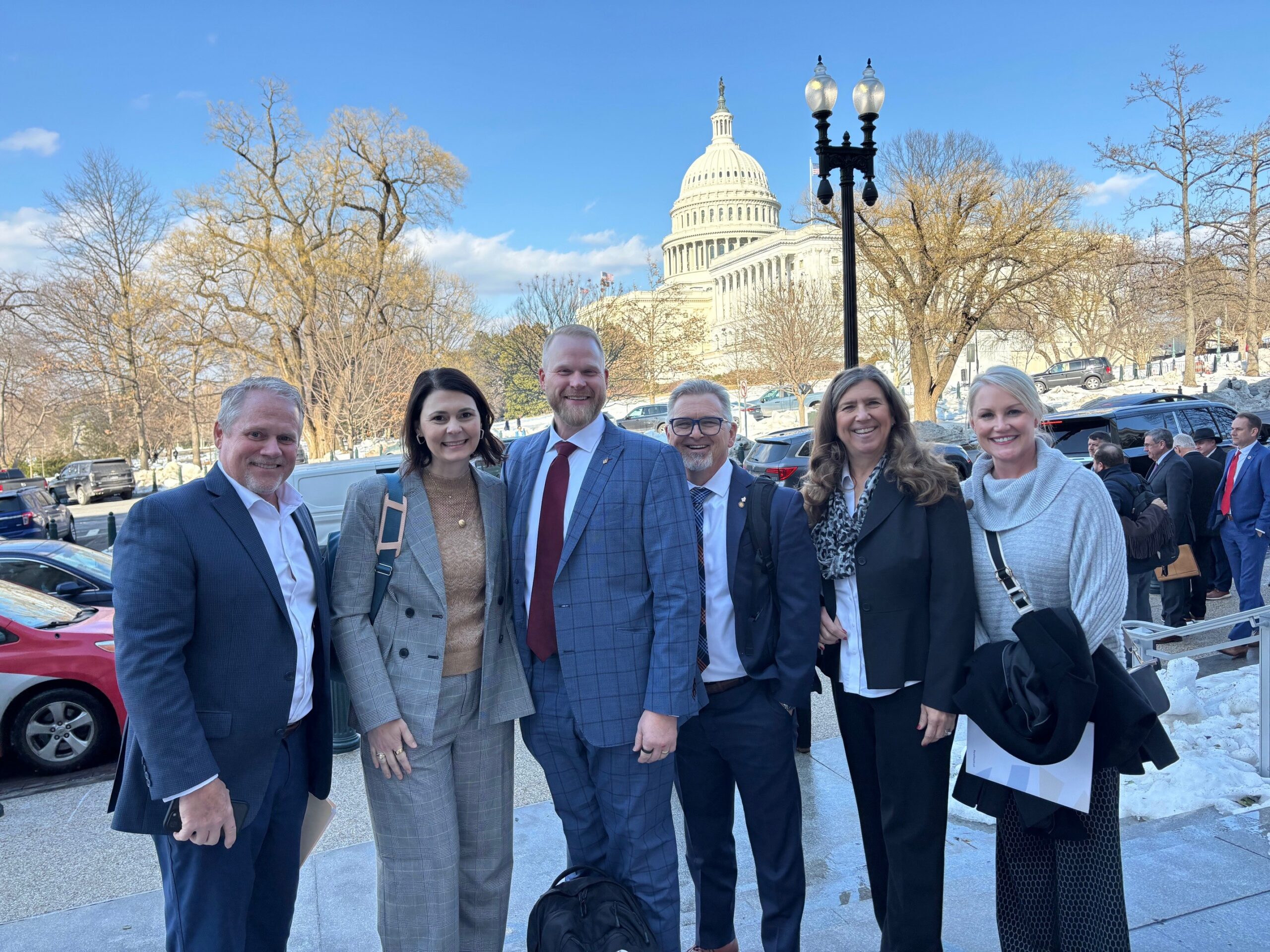
Rural Health Advocacy Success: Texas Delegates Attend NRHA PI
February 24, 2026
This year, the Texas delegation included 20 participants representing a broad cross-section of rural health stakeholders.
Quick Links & Resources
- Rural Healthcare Workforce Information
- Texas Rural Health Facts Download
- Access Full List of NRHA Advocacy Leave Behind Materials
- Texas Maternal Health Rescue Plan
- 340B Drug Pricing Program Information
- Rural Health Insurance & Coverage Information
- Rural Public Health Information
- Telehealth & Broadband Access Information
- Rural Behavioral Health Information